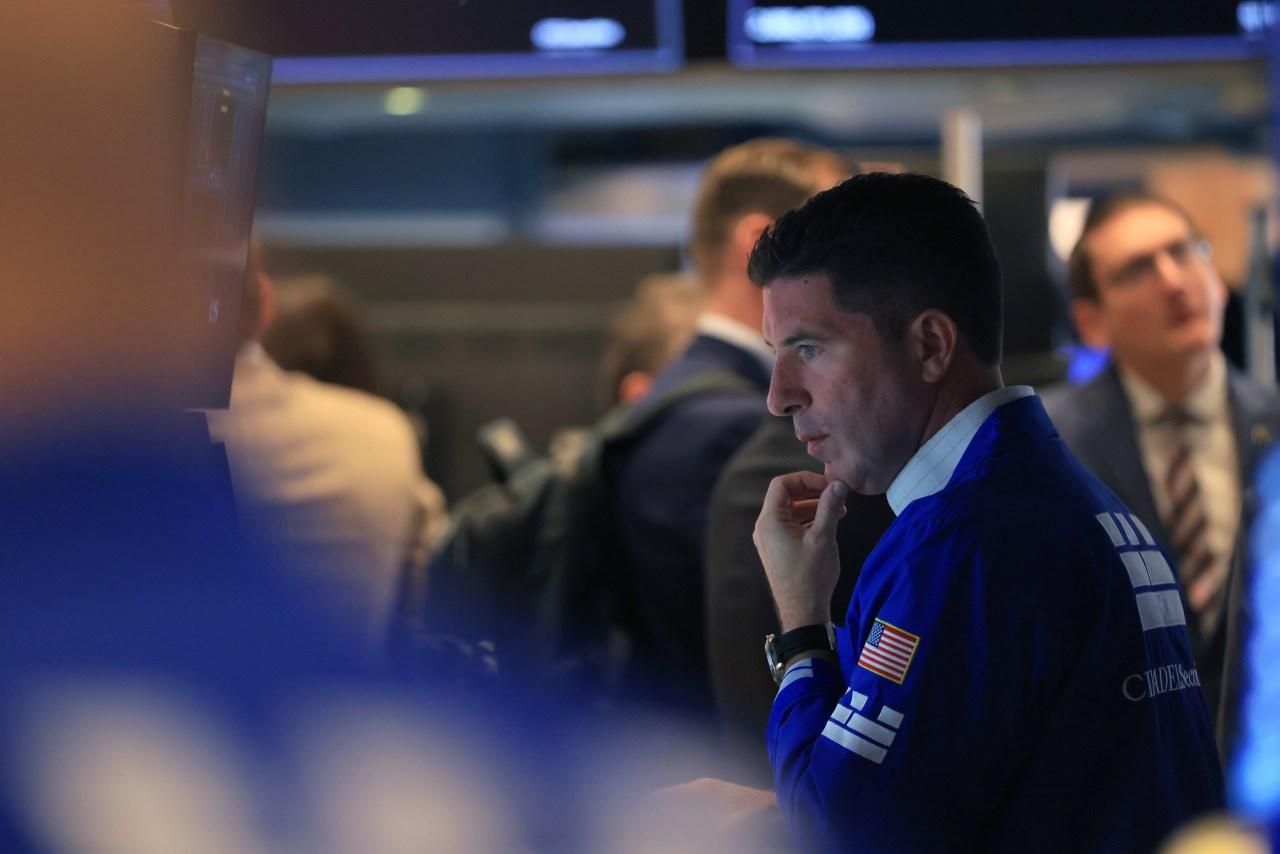










The 10-year Treasury yield has breached the critical 5% threshold, a landmark not seen since the Global Financial Crisis, signaling a potential seismic shift in borrowing costs and investment landscapes. This surge positions the key government borrowing benchmark at a post-2007 high, potentially ushering in a new era of persistently higher interest rates. For consumers, this translates to more expensive mortgages, car loans, and credit card debt, as benchmark rates trickle down to everyday borrowing. Investors will face a recalibration of asset valuations, with bonds becoming more attractive relative to riskier assets like stocks, and companies may find it costlier to finance operations and expansion, potentially dampening corporate investment and economic growth. The Federal Reserve’s monetary policy decisions, inflation trends, and global economic stability will be closely watched to determine if this is a temporary spike or a sustained move into a higher-rate environment.
Adapted from: WSJ.com: Markets