










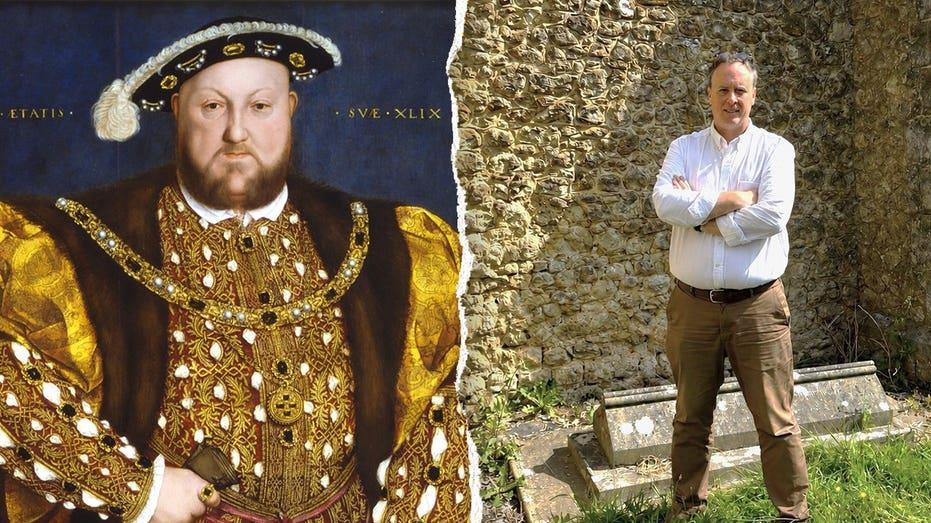
In a remarkable archaeological revelation, researcher Christopher Moore has uncovered definitive evidence that stones from King Henry VIII’s long-lost Sandown Castle, a coastal fortress built between 1539 and 1540, have been systematically reused in various structures across England, defying the long-held myth that the castle simply succumbed to the sea. Moore’s meticulous research, tracing historical records and architectural anomalies, points to Dover Castle as one significant recipient, where Sandown’s stonework was incorporated into a Victorian extension at Constable’s Gate. However, Dover is not an isolated case; Moore has identified at least five sites where Sandown’s durable masonry found a second life, with the Eastry Union Chapel in Kent standing out as particularly significant due to its budget-conscious construction, which resulted in a diverse array of stonework, including ‘freestones’ easily cut for reuse. This chapel may even contain stonework with a nearly 1,000-year history, potentially sourced from Norman monasteries predating Sandown itself. Through chemical analysis and cross-referencing, Moore has pieced together a ‘great web’ illustrating the movement of these stones, demonstrating how ancient buildings, when ‘read’ correctly, can tell captivating stories of reuse and survival, suggesting that many more remnants of Sandown Castle await discovery.
Adapted from: Travel News Today on Fox News