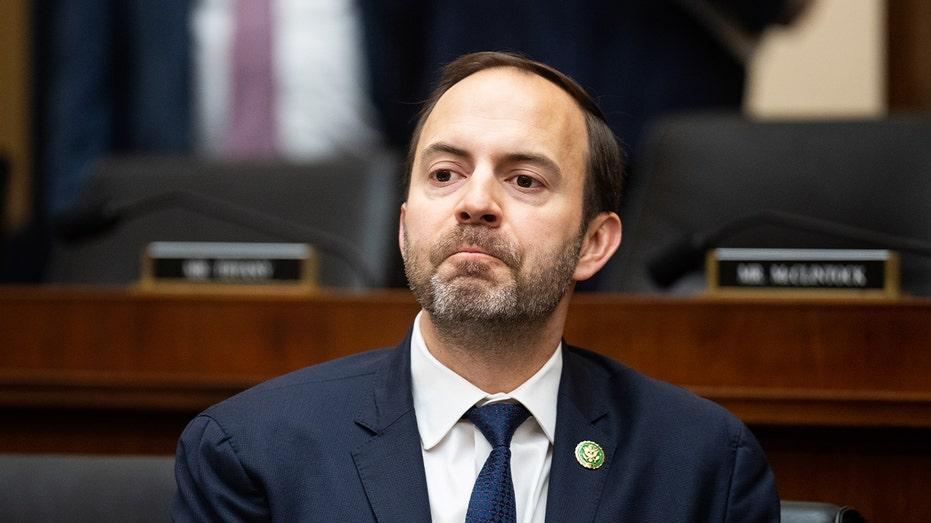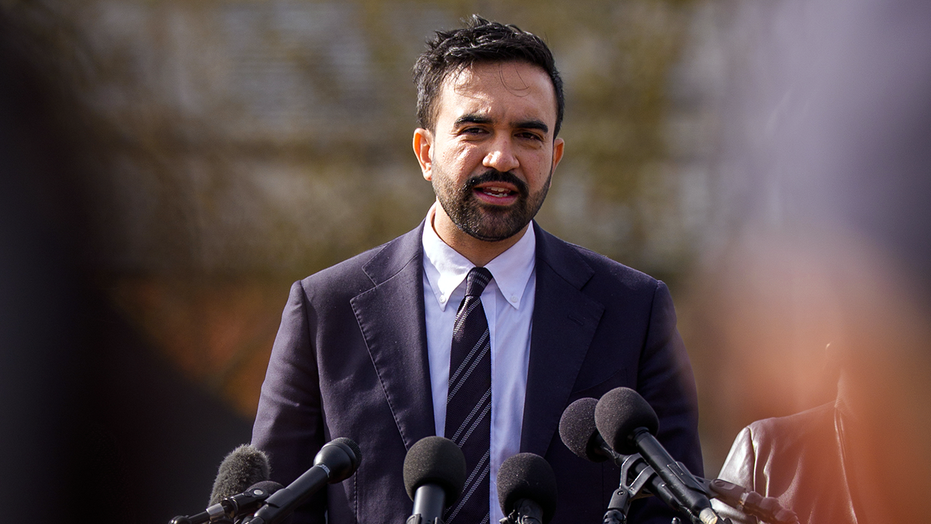











Senate Democrats’ demand for a new, experienced leader for the nation’s spy agencies culminated in the rejection of President Trump’s latest nominee, Jay Clayton, for Director of National Intelligence (DNI). Despite their resistance and a contentious confirmation hearing where only Republicans voted to advance him, Clayton was ultimately confirmed on a party-line vote, replacing interim DNI Bill Pulte amidst concerns he might weaponize or dismantle the 18 intelligence agencies. This confirmation battle is intrinsically linked to the fate of Section 702 of the Foreign Intelligence Surveillance Act (FISA), a crucial counter-terrorism tool used to thwart plots like a planned mass-casualty event at a Taylor Swift concert. However, the program, which allows the U.S. to collect intelligence on foreigners abroad using U.S. communication systems but also sweeps up communications of Americans interacting with foreign suspects, expired last month due to Pulte’s interim appointment, raising fears of dire national security consequences. Even with Clayton’s confirmation, the partisan logjam persists, as Democrats have signaled they won’t reauthorize FISA until a permanent DNI is in place, despite assurances from some that communication providers are still cooperating and that FISA courts have authorized continued intelligence gathering. With the Senate adjourning for an August recess and returning in September with government funding as a top priority, the reauthorization of this vital anti-terror surveillance program remains precariously uncertain.
Adapted from: Latest & Breaking News on Fox News