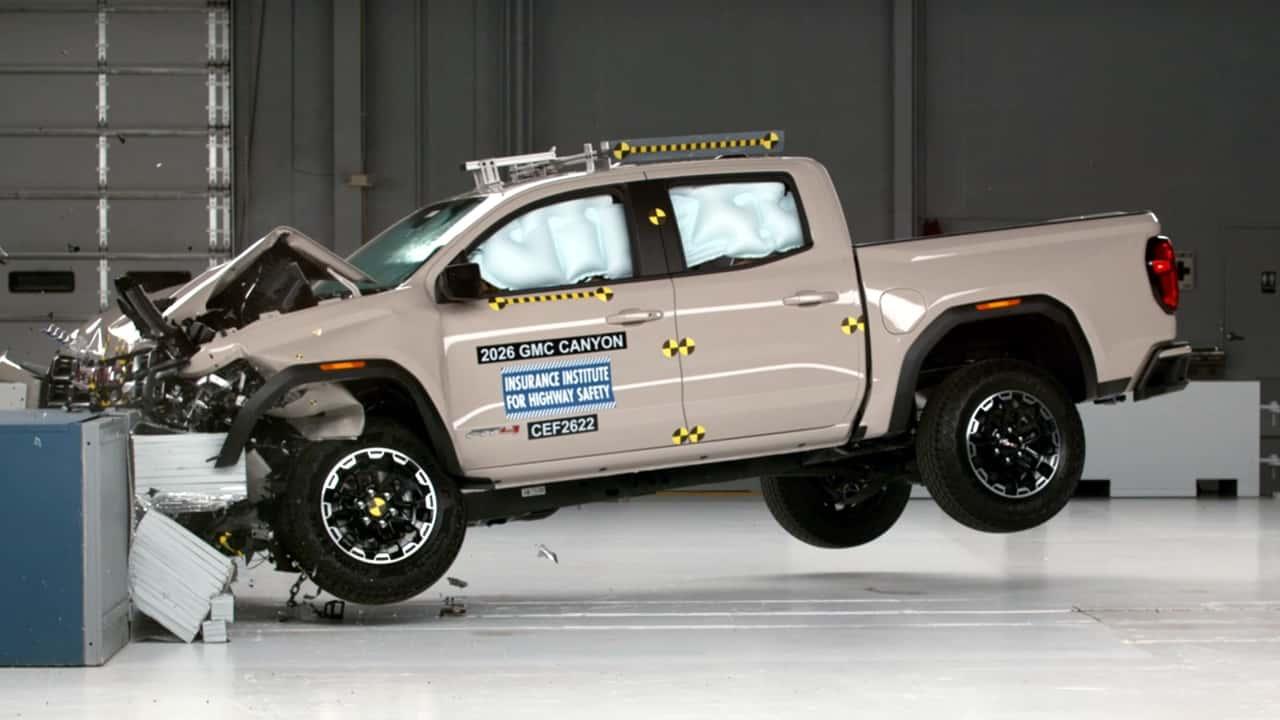









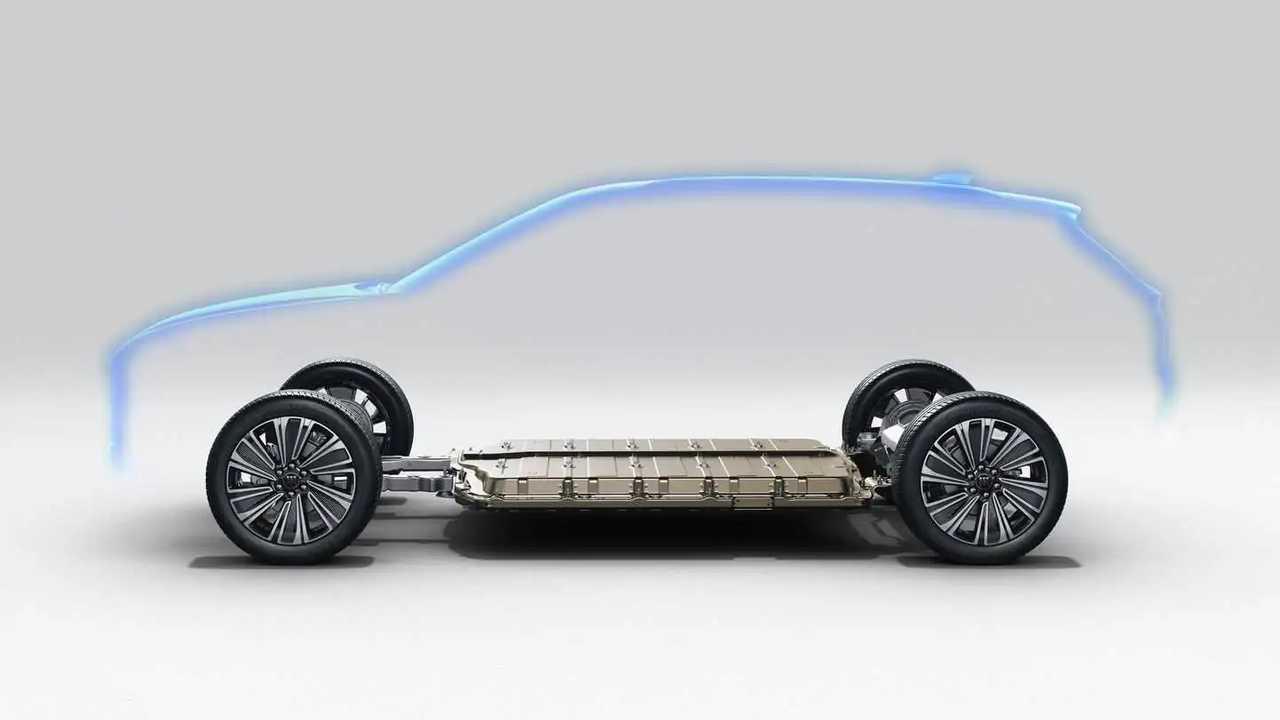
Electric vehicles are facing a significant weight challenge, directly impacting their range, efficiency, and overall cost. However, a groundbreaking battery design is emerging that could fundamentally alter this landscape. By integrating battery cells directly into the vehicle’s structure, these ‘structural batteries’ promise to not only reduce the overall weight of EVs but also lower manufacturing costs and enhance chassis rigidity, leading to a stronger and potentially safer vehicle. This innovative approach moves away from traditional battery packs that are often heavy, bulky additions, and instead transforms the battery into a load-bearing component. Imagine car panels or floor sections that are simultaneously energy storage units. This paradigm shift could unlock new possibilities in vehicle design and performance. The implications are vast: lighter cars require less energy to move, directly translating to longer driving ranges and improved energy efficiency. Furthermore, consolidating battery production with chassis manufacturing could streamline the assembly process and reduce the expense associated with producing electric cars. The structural integration means the battery casing itself contributes to the car’s strength, potentially eliminating the need for separate, heavy battery enclosures and reducing the overall part count. This could lead to substantial cost savings for manufacturers, which in turn could be passed on to consumers, making EVs more accessible. However, this revolutionary design is not without its complications. The primary concern centers around repairability. When a structural battery is damaged, it’s no longer a simple matter of swapping out a modular pack. Instead, repairs could involve complex and costly interventions to the vehicle’s core structure, potentially making accident repairs significantly more expensive and time-consuming. Addressing this repairability challenge will be crucial for the widespread adoption of structural battery technology, ensuring that the benefits of lighter, cheaper, and stronger EVs are not overshadowed by exorbitant maintenance costs.
Adapted from: Motor1.com - Articles