








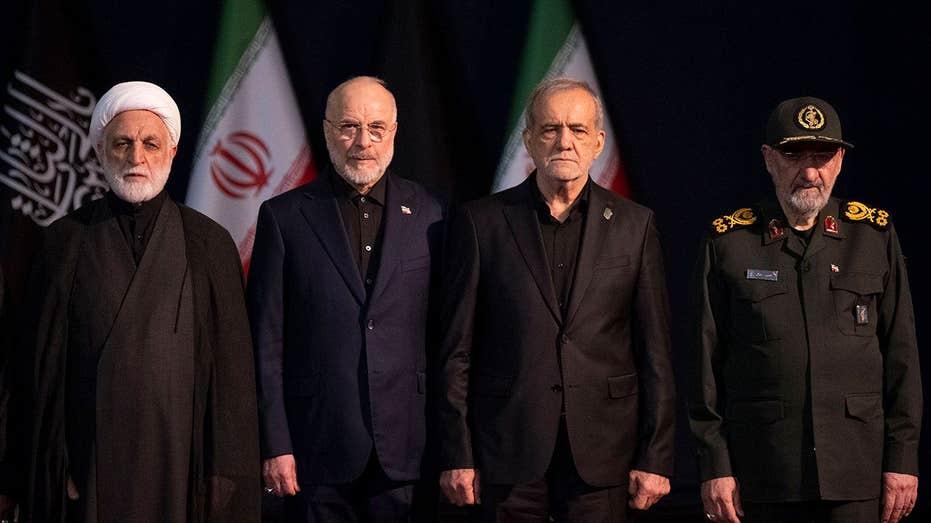
Iran faces a critical financial juncture as a U.S. naval blockade is projected to eliminate its seaborne crude oil revenues by mid-December, a situation that could disproportionately impact ordinary Iranians rather than the military regime it targets. Energy intelligence firm Kpler reports that Iran’s trackable floating oil inventory outside the blockade zone has dwindled to zero, with projections indicating a complete drying up of crude revenues by mid-December as outstanding payments conclude. While this loss represents a significant blow, potentially impacting 30-60% of regime revenue including indirect income, it may not immediately cripple military funding, as Tehran could prioritize military spending over civilian programs, allowing inflation to erode citizens’ purchasing power and drawing on alternative revenue streams. This strategy complicates U.S. pressure efforts, as the blockade might deprive the government of cash without starving the Islamic Revolutionary Guard Corps (IRGC) and military of necessary funds. Experts suggest that non-military spending is likely to be slashed significantly, while military expenditures, including rebuilding missile production and expanding underground facilities, could be maintained or even increased, especially as the regime faces an increased war footing. The IRGC, in particular, benefits from smuggling, black-market commerce, and sanctions-evasion networks, potentially allowing it to thrive in this environment. The exhaustion of Iran’s roughly 135 million barrels of floating crude storage, which provided a buffer after U.S. forces restricted new exports, and an estimated $25 billion in denied oil revenue, marks a significant tightening. While overland and Caspian Sea routes, along with refined petroleum and petrochemical products, may offer minor revenue streams, the core seaborne crude income is effectively halted. The real fiscal test is expected in March with the new fiscal year, when Iran must reconcile drastically reduced oil income with its spending plans, potentially leading to increased borrowing, deficit spending, and further fueling inflation, forcing difficult choices that could translate into widespread economic unrest and turmoil for the general population.
Adapted from: Latest & Breaking News on Fox News