


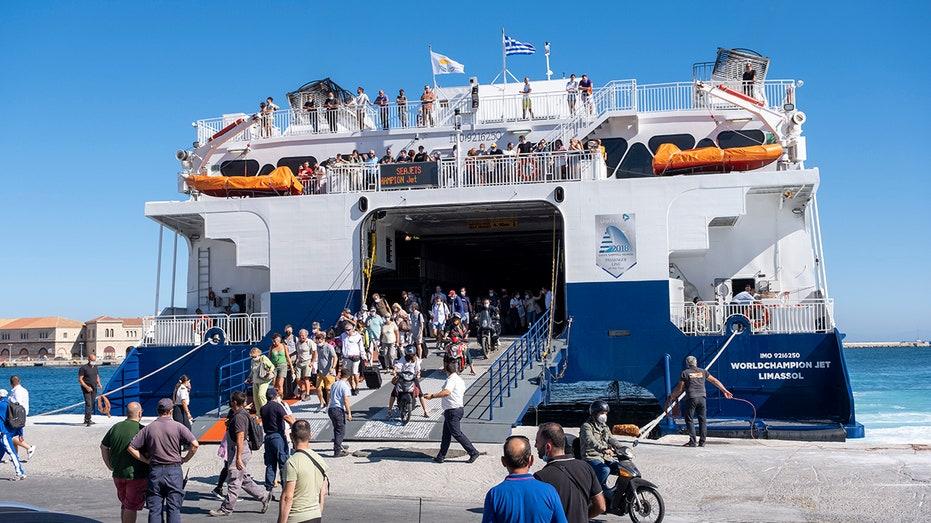
Travelers seeking the quintessential Greek island-hopping experience are finding their dream vacations turning into a nightmare, with high-speed ferries earning the notorious nickname ‘vomit comet’ due to rampant seasickness. Social media is awash with accounts of brutal, stomach-churning crossings, where passengers are handed sickness bags by distressed crews, a stark contrast to the idyllic images promoted for destinations like Santorini, which alone saw 3.4 million visitors in 2023. These modern catamarans and speedboats, designed for rapid travel between islands at speeds reaching up to 58 miles per hour, offer a significantly shorter journey time compared to traditional ferries, particularly on routes from Athens to the Cyclades. However, this speed comes at a cost, especially when the seasonal Meltemi winds churn the Aegean Sea, turning what should be a scenic voyage into a violent, unpredictable ride. Reports indicate that even those not typically prone to seasickness are succumbing to the intense motion, leading to a ‘domino effect’ of nausea among passengers. While some travel experts suggest this is an amplified issue due to increased tourism and social media sharing, others acknowledge the inherent risks, with one travel adviser bluntly suggesting flying between islands or opting for routes with less exposure to rough weather. The unpredictable nature of these high-speed journeys, especially during peak wind seasons, has led to a growing number of travelers questioning the reliability of sea travel, with some even recommending flying directly to islands like Santorini, Mykonos, or Crete to bypass the perilous ferry experience altogether.
Adapted from: Travel News Today on Fox News