


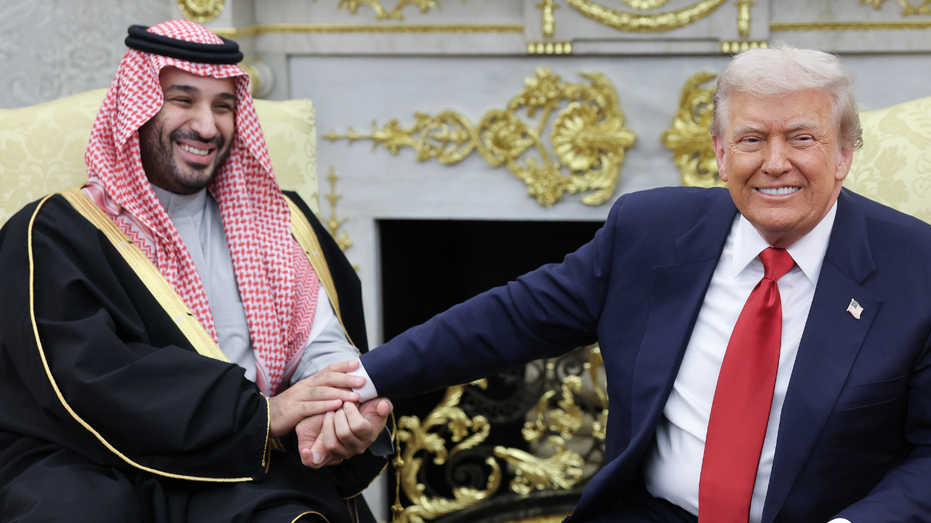
Retired Army Gen. Jack Keane has raised significant concerns regarding the trustworthiness of Pakistan, Saudi Arabia, and Qatar in mediating negotiations with Iran, alleging that these regional partners have actively steered President Trump away from military pressure. Keane argued on Fox News’ “America’s Newsroom” that Pakistan and Qatar are “compromised” mediators due to their perceived favoritism towards Iran over the United States, a sentiment he claims is widely known within the Middle East and among intelligence services. This assertion contrasts sharply with President Trump’s public praise for Pakistan and Qatar’s efforts in advancing negotiations. White House spokesperson Anna Kelly, however, defended the administration’s partnerships, stating that Trump appreciates the involvement of all regional partners assisting with negotiations and that any failure to reach a good deal would be solely the fault of the Iranian regime. Keane further suggested that the involvement of these mediators may have led to a misunderstanding of Iran’s true intentions by the U.S. While Pakistan and Qatar have formally mediated talks under the Islamabad Memorandum of Understanding, aiming to establish working groups on nuclear issues, sanctions, and maritime security in the Strait of Hormuz, Raza Rumi, editor-at-large of Pakistan’s The Friday Times, disputed Keane’s characterization, arguing that Pakistan’s geographical proximity and security concerns, not ideological alignment, shape its approach and that its relationship with Iran is not uniformly close. Keane leveled even stronger criticism at Saudi Arabia, claiming Riyadh denied the U.S. access to airspace and military bases during preparations for operations in the Strait of Hormuz and repeatedly persuaded Trump against resuming major military operations against Iran. Keane contended that Saudi Arabia is unwilling to make sacrifices to counter Iranian aggression, preferring the U.S. and Israel bear the risks. Saudi geopolitical analyst Salman Al-Ansari rejected this, stating the Kingdom distinguishes between credible deterrence and open-ended war, favoring diplomacy backed by deterrence with enforceable and verifiable agreements. Another analyst, speaking anonymously, suggested Saudi leaders fear Iranian retaliation against critical infrastructure, leading them to favor accommodation and negotiations over military action, and noted a divide among Gulf states with Saudi Arabia and Qatar favoring accommodation while others support stronger pressure. Richard Goldberg, a senior adviser at the Foundation for Defense of Democracies, highlighted continued U.S. reliance on Saudi infrastructure for its strategic objectives in the region, despite disagreements over military strategy. The ongoing debate unfolds as the U.S. and Iran continue negotiations, with mediators reportedly working on an interim arrangement for shipping routes, raising questions about whether an enforceable agreement can be reached or if Iran will retain leverage over the Strait of Hormuz, a prospect Keane views skeptically, predicting Iran will seek to maintain control over the strategic waterway.
Adapted from: Latest World News on Fox News