


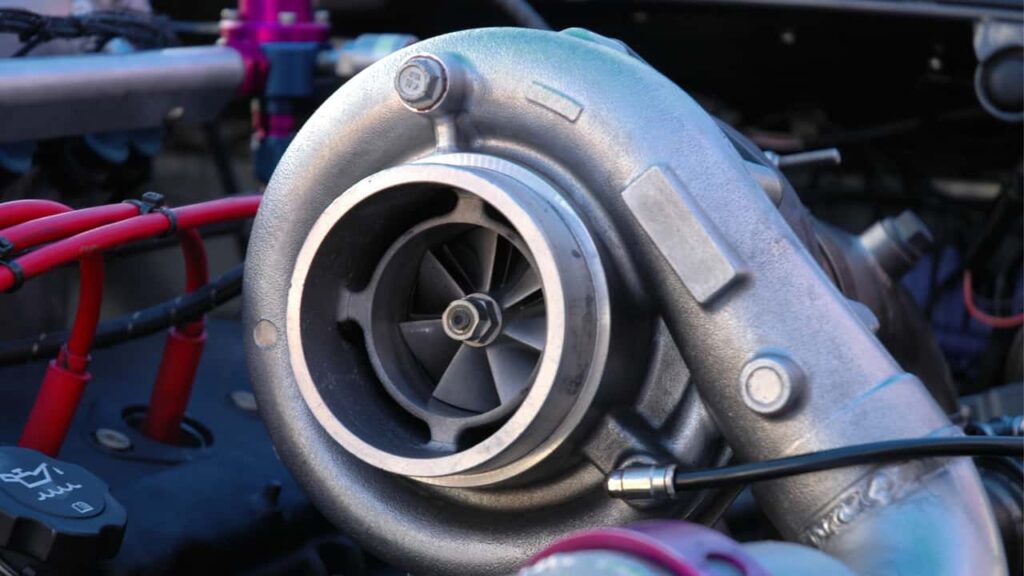
While both turbochargers and superchargers are designed to dramatically increase engine power by forcing more air into the combustion chamber, their fundamental operational differences lead to distinctly unique driving sensations. A turbocharger operates by harnessing the engine’s exhaust gases to spin a turbine, which in turn drives a compressor that forces atmospheric air into the engine at higher pressures. This process, however, introduces a characteristic “turbo lag” – a delay between pressing the accelerator and the turbocharger spooling up to deliver its full boost. This lag can create a surge of power once it kicks in, offering an exhilarating, albeit sometimes unpredictable, power delivery. Conversely, a supercharger is mechanically driven by the engine’s crankshaft, typically via a belt or gears. This direct connection means the supercharger is always engaged and spinning whenever the engine is running, providing instant boost and a more linear, predictable surge of torque from lower RPMs. This immediate response offers a smoother, more consistent feeling of acceleration, making it a favorite for applications where immediate throttle response is paramount. The choice between the two, therefore, hinges on whether the driver prefers the explosive, lag-induced rush of a turbo or the immediate, consistent shove of a supercharger, each offering a unique pathway to amplified engine performance.
Adapted from: Motor1.com - Articles