


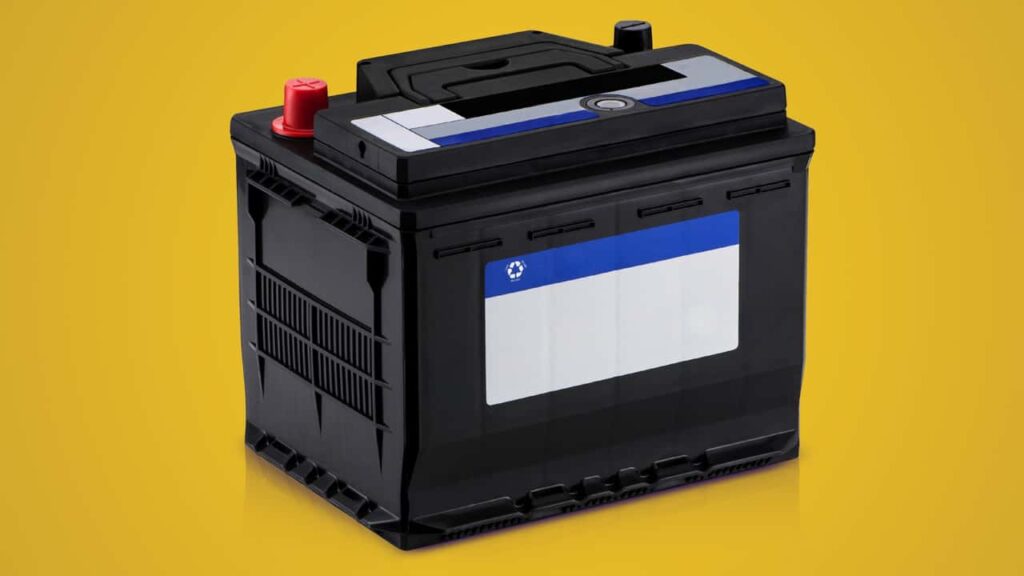
Your car battery repeatedly dying isn’t just an inconvenience; it’s a cryptic signal that something deeper is amiss, often before a complete failure necessitates a costly replacement. The most frequent offender, surprisingly, isn’t always the battery itself but a parasitic drain – an electrical component or aftermarket accessory that continues to draw power even when the car is off. This can range from a faulty door light switch that fails to disengage, to a malfunctioning radio or alarm system, or even an improperly installed electronic gadget. Another common culprit is a weak alternator, the component responsible for recharging the battery while the engine runs; if it’s not producing enough voltage, the battery will never get a full charge and will eventually succumb. Extreme temperatures also play a significant role, with both excessive heat and cold placing undue stress on the battery’s chemical components, accelerating degradation and reducing its capacity. Corrosion on the battery terminals or cables can impede the flow of electricity, creating resistance that prevents proper charging and starting. Finally, simple aging is inevitable; most car batteries have a lifespan of 3-5 years, and beyond that, their ability to hold a charge diminishes significantly, making them more susceptible to failure, especially under load or in adverse conditions.
Adapted from: Motor1.com - Articles