








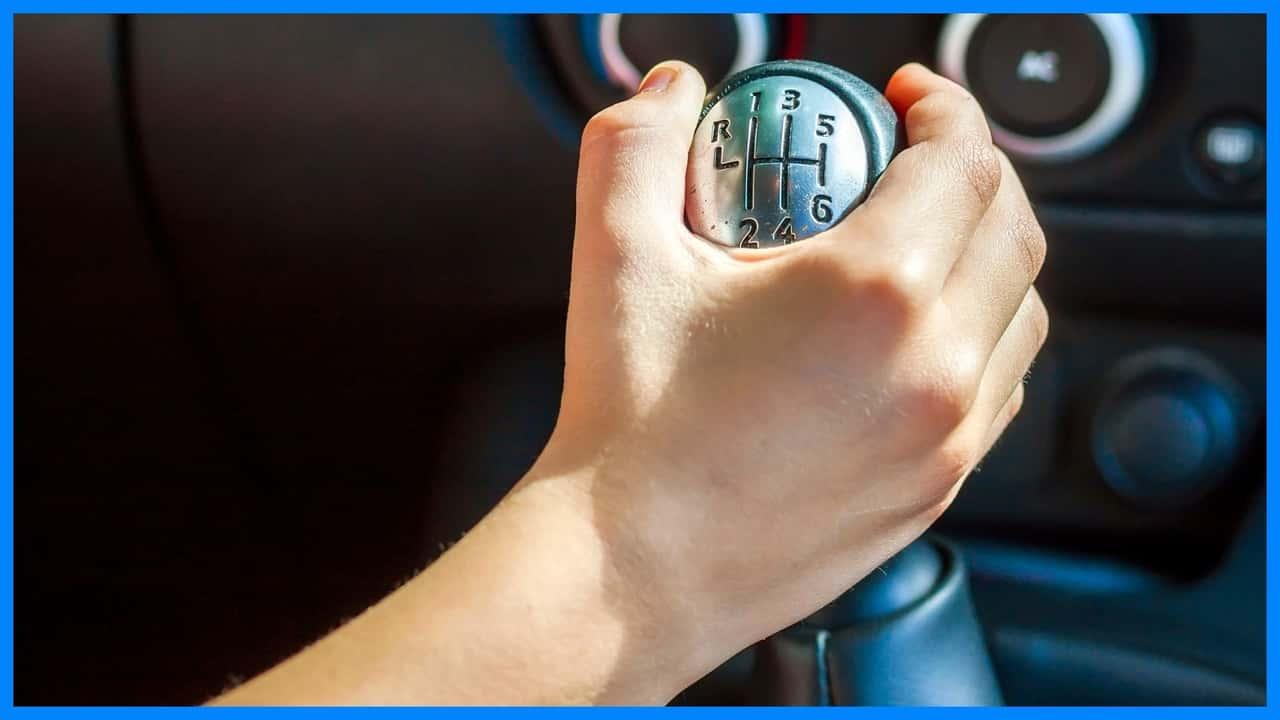
Did you know your car possesses a powerful, often overlooked, braking mechanism right under your hood? It’s called engine braking, and mastering it can significantly extend the life of your traditional brake pads while offering a smoother, more controlled deceleration. Instead of solely relying on your brake pedal, which generates heat and wear through friction, engine braking utilizes the engine’s internal resistance to slow your vehicle. By downshifting to a lower gear, you force the engine to work harder to maintain the slower wheel speed, creating a drag effect that naturally slows the car. This technique is particularly beneficial on long descents, where it prevents your brakes from overheating and potentially failing, and in slippery conditions, where a gradual, controlled slowdown is crucial. However, improper use, such as abruptly downshifting at high speeds, can cause unnecessary strain on your transmission and drivetrain. The key lies in understanding the relationship between gear selection, engine RPM, and vehicle speed to effectively harness this built-in braking system for optimal performance and longevity.
Adapted from: Motor1.com - Articles