








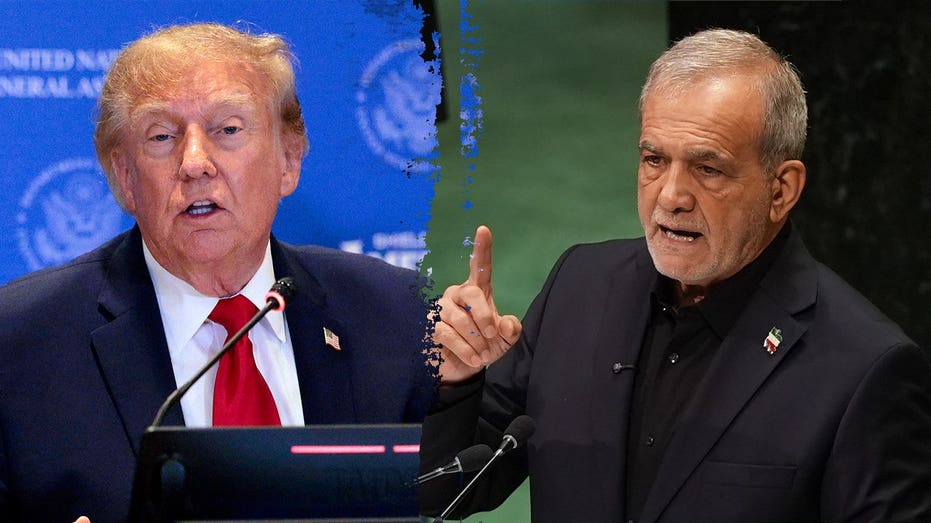
Amidst soaring national gas prices and stalled diplomatic efforts, Trump administration officials are warning Iran against a critical miscalculation: betting that the upcoming midterm elections will weaken President Trump’s negotiating hand. Despite recent three-hour talks with Iranian officials ending without a declared breakthrough, U.S. diplomats assert that mounting economic pressure and control over the Strait of Hormuz place Trump in a dominant position. State Department principal deputy spokesperson Tommy Pigott emphasized that “the president holds all of the cards here,” projecting confidence that Iran will ultimately be compelled to seek a deal to avoid further U.S. action, even as Americans grapple with the highest gas prices ever recorded for this time of year. Secretary of State Marco Rubio acknowledged the domestic cost but argued that the long-term price of Iran obtaining nuclear weapons would be far greater, stating, “The cost of not doing something about it is substantially higher.” President Trump himself highlighted the stark choice facing Tehran: a deal that allows rebuilding or devastating U.S. intervention. He predicted Iran’s leaders are erroneously waiting to see if the midterms weaken his standing, asserting, “It doesn’t even enter my mind.” U.S. officials described the ongoing discussions as “positive and constructive” but stressed no rush to agreement, noting the strategic advantage of controlling the Strait of Hormuz and predicting a return to pre-conflict oil prices. While Iran has presented a seven-day plan to restore passage through the Strait under certain conditions, officials caution against characterizing the talks as a “major breakthrough.” The administration points to increasing oil flows through Hormuz and the severe economic impact on Iran as evidence of U.S. leverage, while Rubio suggested Iran fundamentally misunderstands the U.S. political system and the president’s executive powers, believing Democrats might gain an advantage. The ongoing conflict and Iran’s regional influence, including Houthi rebel attacks on Saudi Arabia, further complicate the geopolitical landscape, though the U.S. remains committed to its defense partners.
Adapted from: Latest Political News on Fox News