









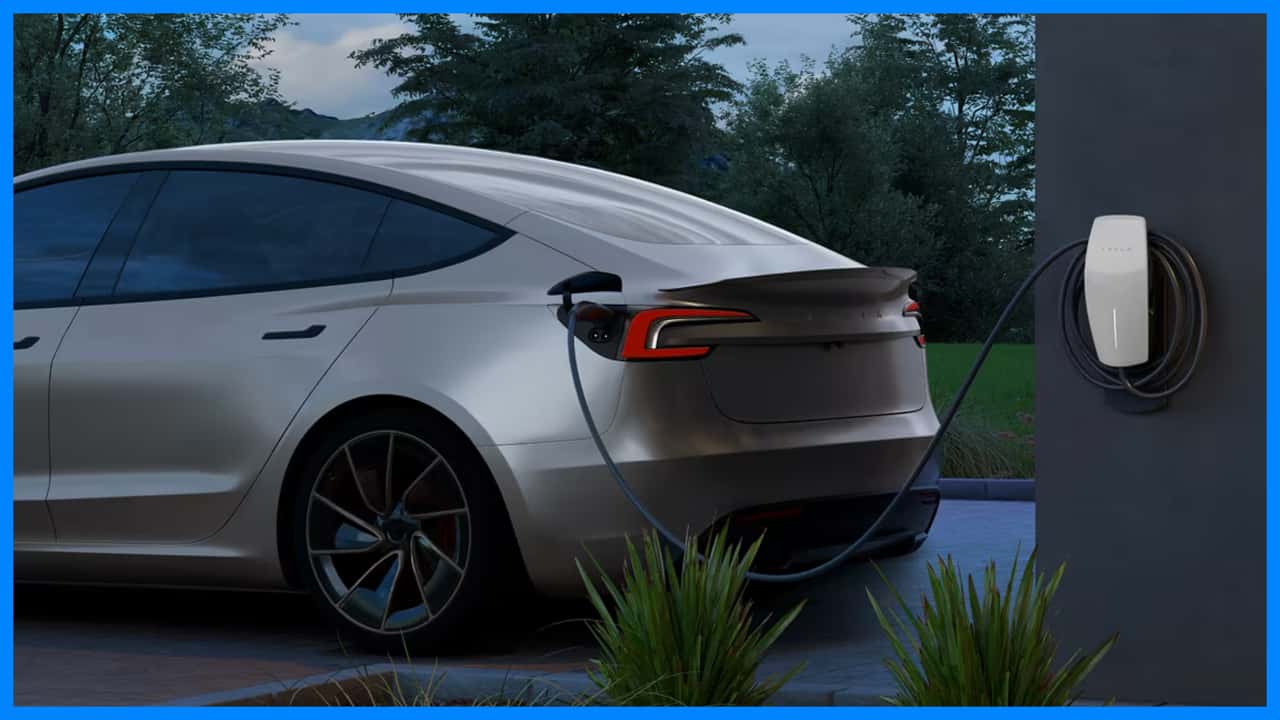
Electric vehicles (EVs) often exhibit a dramatic slowdown in charging speed as they approach a full battery, a phenomenon that can be puzzling to new owners. The initial charging phase, typically from 0% to 80%, is characterized by rapid energy transfer, allowing drivers to gain significant range in a relatively short period. This is because the battery management system (BMS) prioritizes speed when the battery is less full, allowing for a higher charging current. However, as the battery’s state of charge increases, particularly in the final 20% (from 80% to 100%), the charging rate is intentionally reduced. This crucial step is a protective measure implemented by the BMS to prevent damage to the battery cells from overcharging and overheating. The chemistry within lithium-ion batteries, commonly used in EVs, becomes more sensitive as it nears full capacity. To manage this, the BMS lowers the charging voltage and current, enabling a slower, more controlled charge that ensures the longevity and health of the battery. While this deliberate deceleration can extend charging time, especially for that last portion of the battery, it is a vital aspect of maintaining battery performance and safety over the vehicle’s lifespan.
Adapted from: Motor1.com - Articles