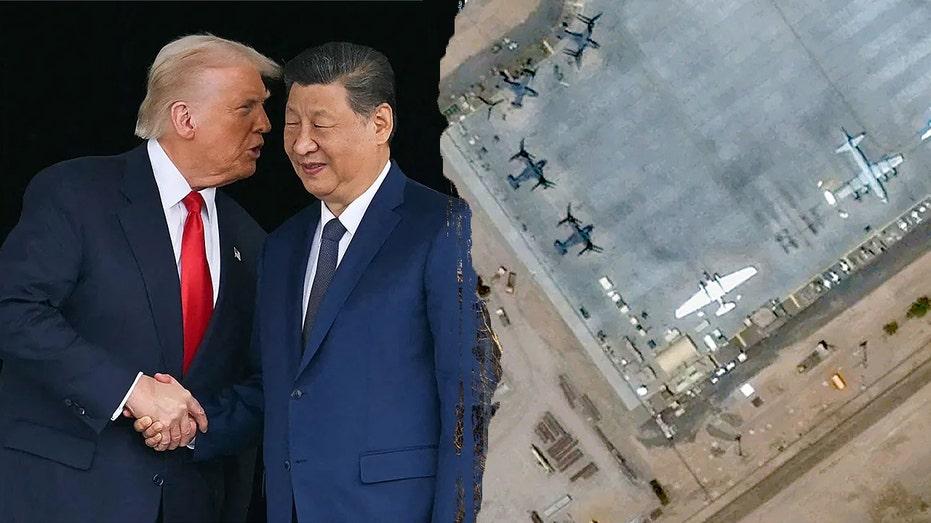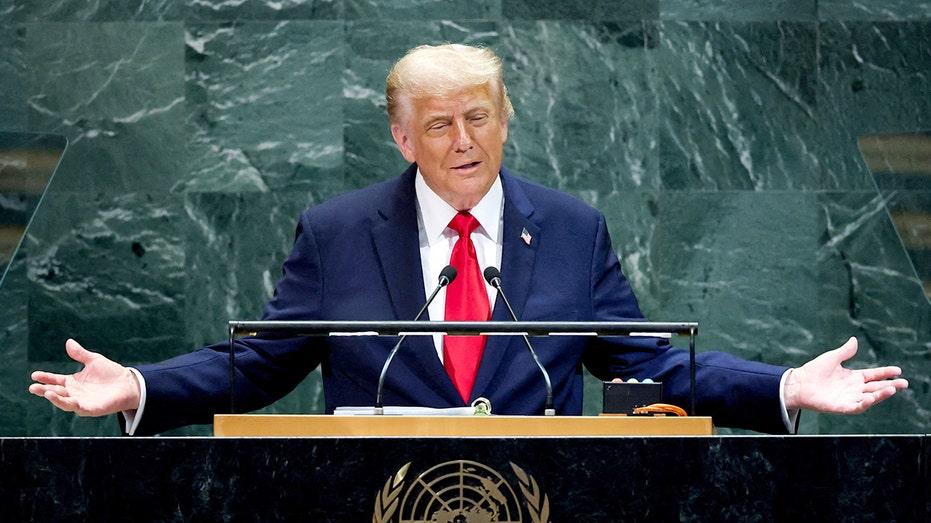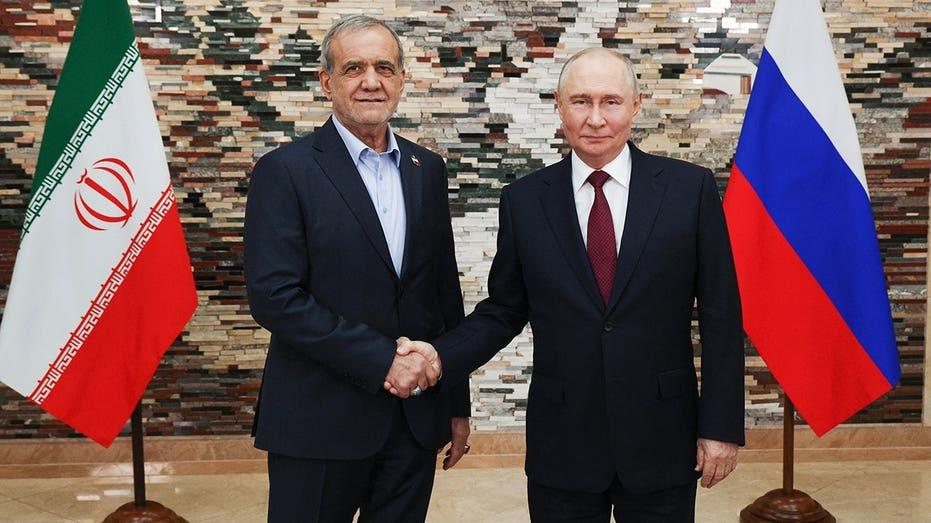





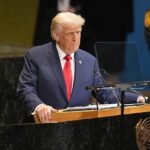



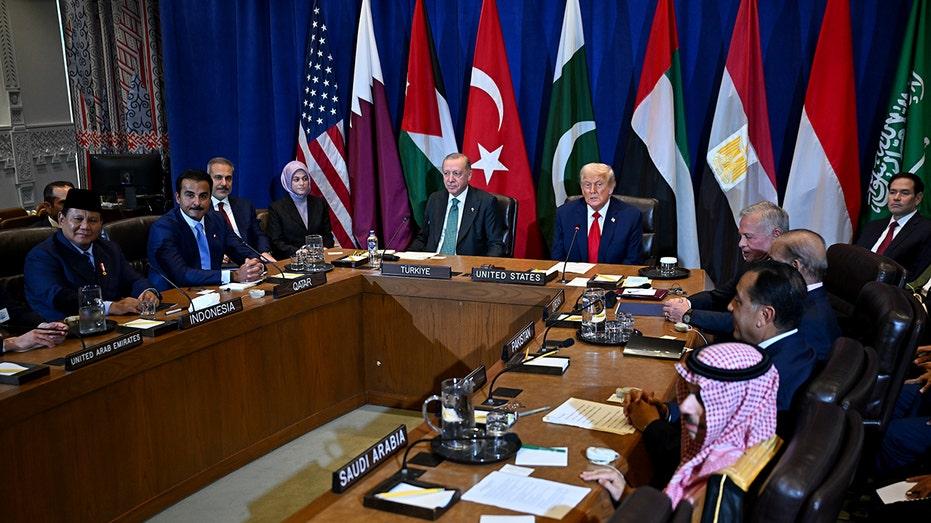
The United Nations General Assembly’s annual debate is set to be dominated by the volatile Middle East, as regional leaders converge in New York grappling with the fallout from the Iran war, the ongoing Gaza conflict, and escalating Houthi attacks that threaten global shipping. Key players like Jordan, Türkiye, Qatar, and Egypt, alongside Israeli Prime Minister Benjamin Netanyahu, are expected to address the Assembly, while President Trump will convene with Gulf leaders to dissect the region’s precarious future. Experts highlight that the Iran war has reshaped regional dynamics, potentially fostering new energy partnerships and closer Israel-Arab cooperation, including overland pipeline projects designed to bypass the Strait of Hormuz and mitigate reliance on vulnerable shipping routes. However, the threat landscape has expanded beyond Hormuz, with Houthi actions along the Red Sea now endangering the Bab el-Mandeb strait, another critical maritime choke point, shattering regional stability. Simultaneously, Gaza presents a complex diplomatic challenge, as Arab nations advocate for a political settlement and a Palestinian state, clashing with Israeli positions and raising concerns about potential Palestinian displacement. International divisions are evident, with France, Britain, and Canada planning import bans from Israeli settlements and pushing for a two-state solution, while Palestinian President Mahmoud Abbas faces visa issues for in-person UN addresses. As Netanyahu arrives amid declining international support for Israel and ahead of crucial elections, the U.S. faces the delicate task of balancing security alliances with the competing demands surrounding Gaza and Israel’s future, with private discussions expected to focus on U.S. security assurances, confronting Iran, and advancing regional energy infrastructure and normalization with Israel.
Adapted from: Latest World News on Fox News