









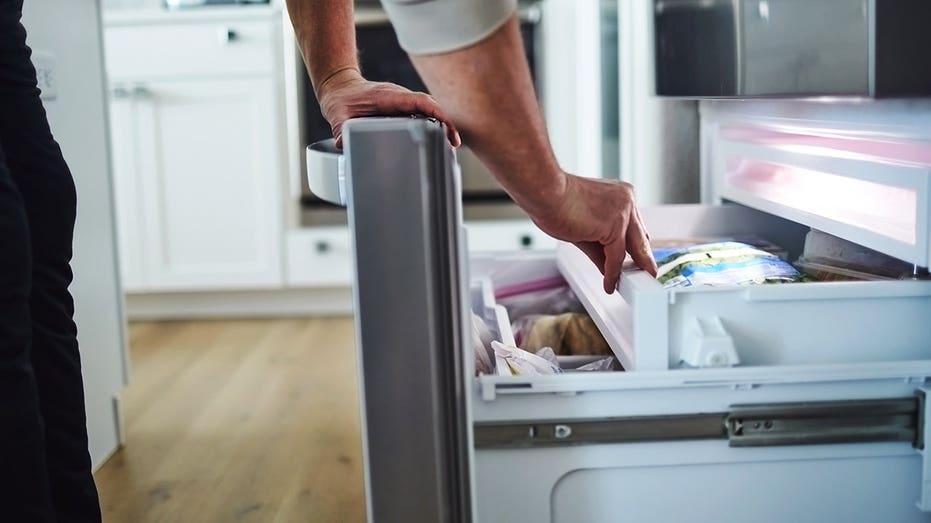
While the freezer is a powerful tool for preserving food, culinary experts warn that not everything benefits from being frozen. Chef Dennis Littley explains that the formation of ice crystals when food freezes and thaws can significantly alter texture and flavor, often for the worse. Cheeses, particularly softer varieties, can become crumbly or grainy after freezing, making them less appealing; instead, wrap them tightly and store them in the refrigerator, purchasing only what you’ll use fresh. Cooked pasta, especially dishes with creamy sauces, can become mushy and the sauce may separate, so refrigerate leftovers for a few days rather than freezing, though heartier baked pasta dishes may fare better. Cured meats like prosciutto and salami, while technically freezable, can suffer a noticeable loss in texture and flavor, diminishing their impact on charcuterie boards or sandwiches; keep them wrapped in the fridge and consume within recommended times. Finally, wine should never be frozen, as the expansion can damage bottles and corks, and the freezing process negatively impacts flavor and aroma; store opened wine, including reds, resealed in the refrigerator, bringing it to the proper serving temperature before enjoyment. Ultimately, understanding which foods react poorly to freezing is key to maintaining their quality.
Adapted from: Latest & Breaking News on Fox News