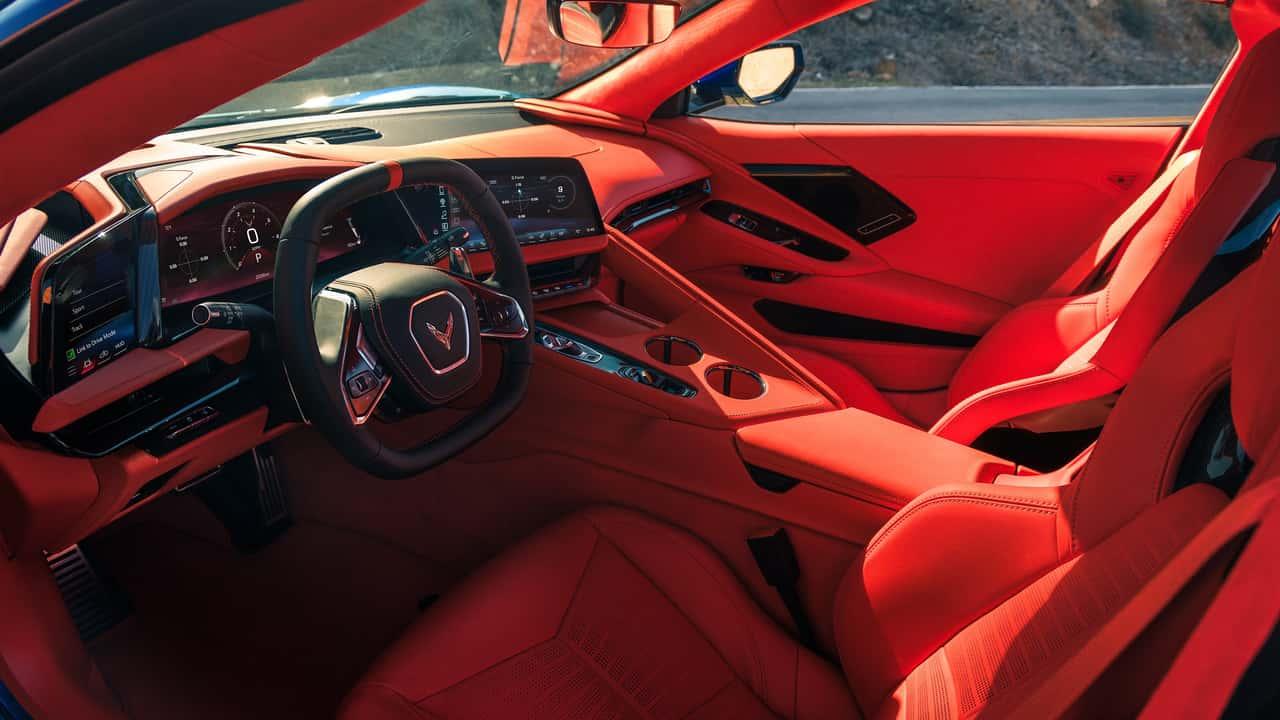










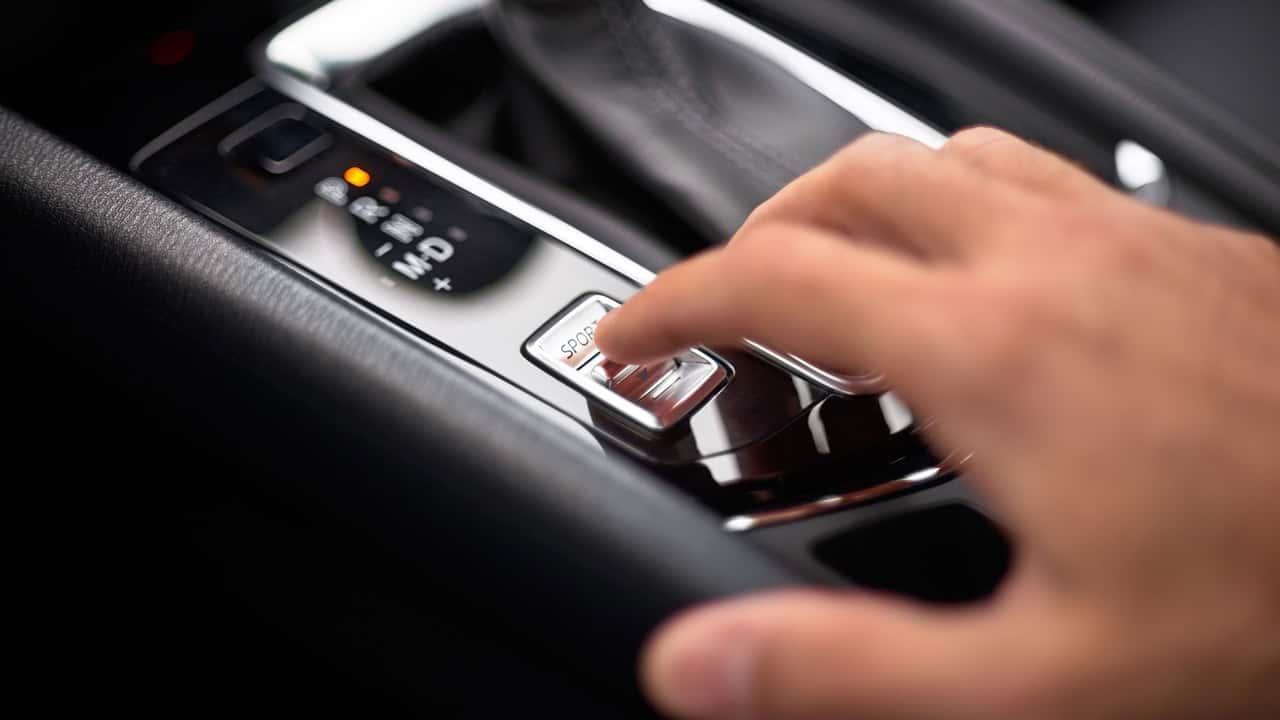
The seemingly simple ‘Sport’ mode button on your dashboard is far more than just a cosmetic change; it’s a sophisticated recalibration of your vehicle’s core performance parameters. When engaged, this mode fundamentally alters the engine’s throttle response, making the accelerator pedal more sensitive, meaning even a slight press elicits a quicker, more immediate surge of power. Simultaneously, the transmission’s shift points are dramatically adjusted. Instead of prioritizing fuel efficiency by shifting into higher gears early, the transmission holds onto lower gears for longer, keeping the engine revving higher and ready to deliver maximum acceleration. Many modern vehicles also modify steering feel, often making it heavier and more direct, providing sharper feedback and reducing play for a more connected driving experience. Furthermore, in some performance-oriented cars, Sport mode can adjust the adaptive suspension system, stiffening it to reduce body roll during cornering and improve handling dynamics. Electronic stability control (ESC) and traction control systems might also be dialed back, allowing for a greater degree of driver control and a more engaging, less intrusive safety net. In essence, hitting that Sport button unleashes a carefully engineered performance profile, transforming your car from a comfortable cruiser into a more responsive, agile, and exhilarating machine by optimizing throttle, transmission, steering, and even suspension and safety systems for spirited driving.
Adapted from: Motor1.com - Articles