








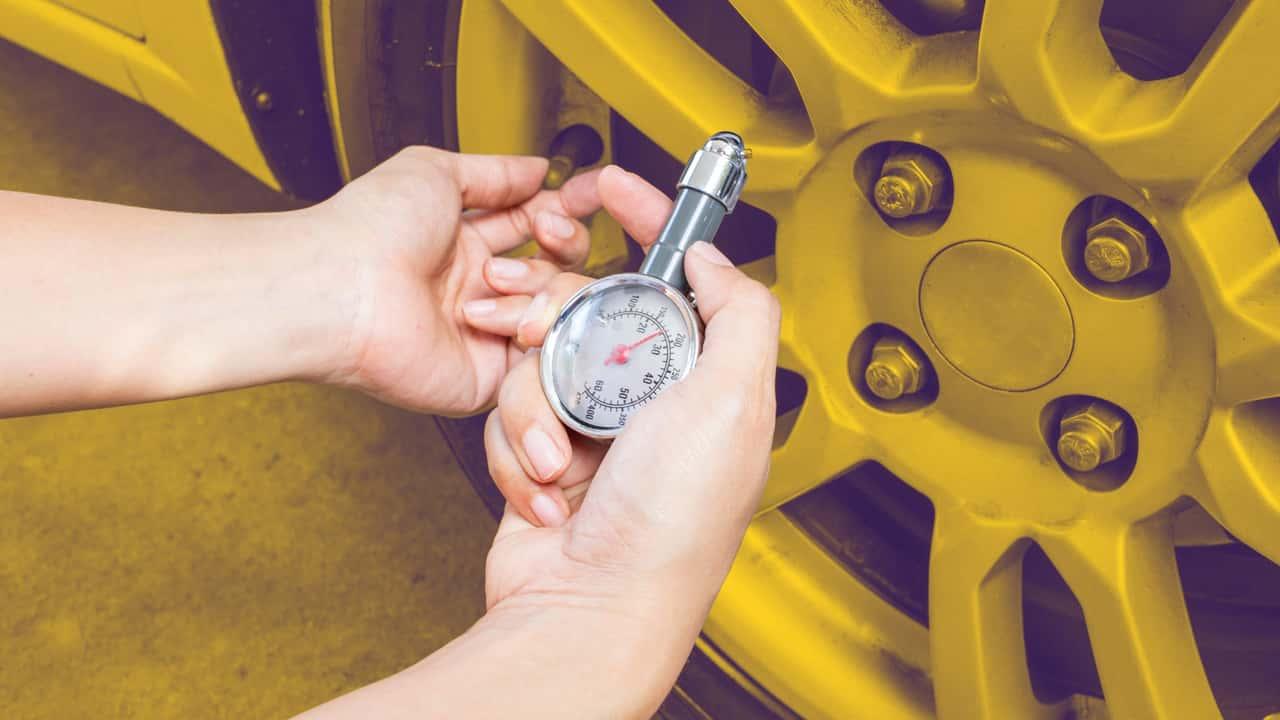
Your car’s tire pressure warning light is often triggered by a simple environmental change: colder temperatures. As the mercury drops, the air inside your tires contracts, leading to a decrease in pressure. This phenomenon, governed by Charles’s Law, means that for every 10-degree Fahrenheit drop in temperature, tire pressure can decrease by about 1 PSI (pound per square inch). A significant enough dip can easily push your tire pressure below the manufacturer’s recommended threshold, activating the dreaded dashboard alert. Crucially, this doesn’t necessarily indicate a leak; it’s a natural consequence of physics. Many drivers mistakenly assume a puncture and may overreact, but understanding this common occurrence can save you unnecessary worry and potential service costs, reminding you that a quick top-up with air is often all that’s needed to silence the warning, especially as temperatures fluctuate seasonally.
Adapted from: Motor1.com - Articles