








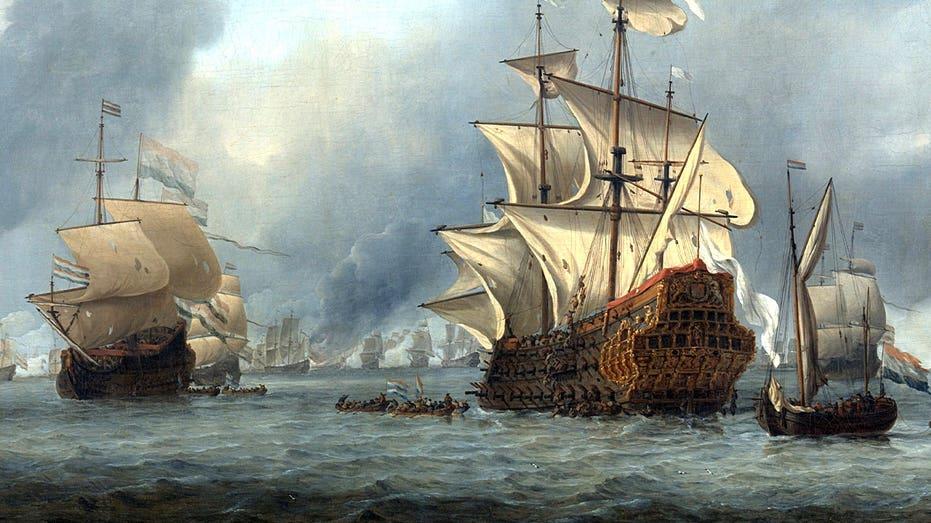
After a staggering 30 years of dedicated research and collaboration between marine archaeologists, divers, and institutions like Bournemouth University and the British Museum, the identity of a mysterious shipwreck discovered off England’s southern coast in 1995 has finally been unmasked. Initially yielding over 400 Moroccan gold coins, the wreck site near Salcombe, Devon, offered no clues to its origin until now. Researchers have conclusively identified the vessel as the Dutch trading ship ‘Dom van Keulen,’ which departed Morocco for the Netherlands in the autumn of 1633 before springing a leak and sinking, with all crew members surviving. The painstaking identification process, detailed in the newly published book “From Morocco to the Coast of England: The Story of the Dom van Keulen and its Remarkable Cargo,” was significantly aided by the presence of the unique Moroccan gold coins, known as Barbary ducats, alongside other dating evidence. This cargo, which also included gum arabic, saltpeter, and goat skins, reveals the ship was carrying a mix of general trade goods. The wreck, measuring approximately 98 feet long and resting 59 feet below the surface, still contains scattered artifacts like cannons and anchors, but the discovery of the African gold provided the crucial key to unlocking the ship’s long-lost history and its international significance as a Dutch vessel wrecked off the English coast carrying North African treasure, reminding us of the vast untold stories still hidden beneath the waves.
Adapted from: Travel News Today on Fox News