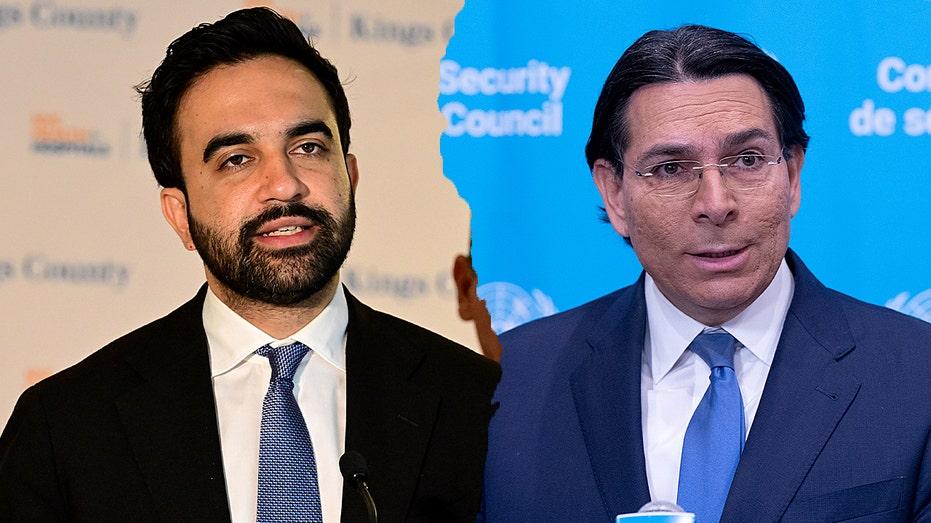








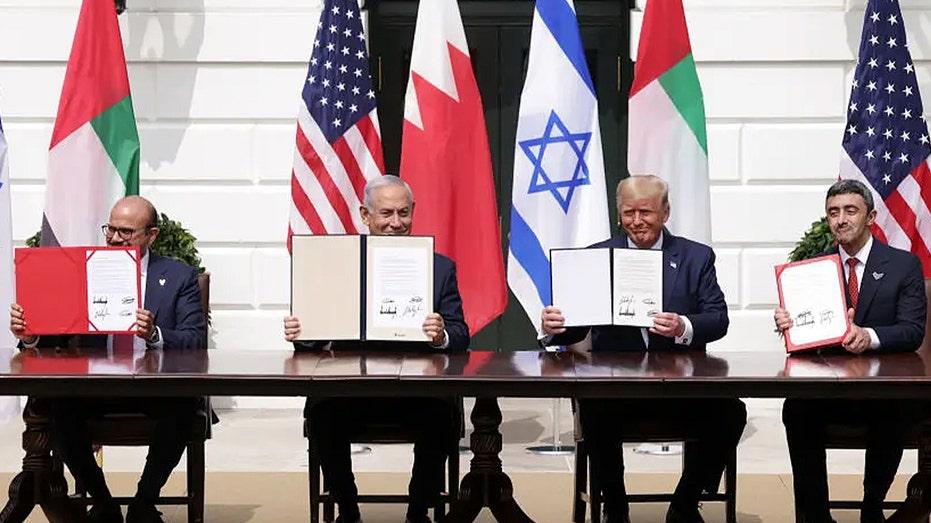
Despite a sharp decline in global public opinion and growing criticism from younger voters and Democrats, Israel is simultaneously expanding and solidifying crucial government-to-government relationships in defense, intelligence, energy, and technology. Former President Trump predicts further expansion of the Abraham Accords, which normalized relations with the UAE, Bahrain, Morocco, and Sudan, while also linking a potential U.S. civilian nuclear agreement with Saudi Arabia to Riyadh joining the accords. Israeli officials and conservative foreign policy experts argue that while public legitimacy may be waning, strategic partnerships, particularly with newly elected conservative governments in Latin America and nations in the Eastern Mediterranean like Greece and Cyprus, are strengthening. This is evidenced by increased cooperation in energy and security, and a realignment of diplomatic priorities in South America, where countries are re-establishing ties with Israel. Even within the United Nations, where Israel often faces criticism, Israeli Ambassador Danny Danon reports quiet advancements in shared interests with various nations. This complex geopolitical landscape suggests Israel is navigating a duality: facing public disapproval while enhancing its geostrategic position through robust state-level alliances, a situation that will be tested by future Israeli elections and the potential for shifts in global political tides.
Adapted from: Latest World News on Fox News