








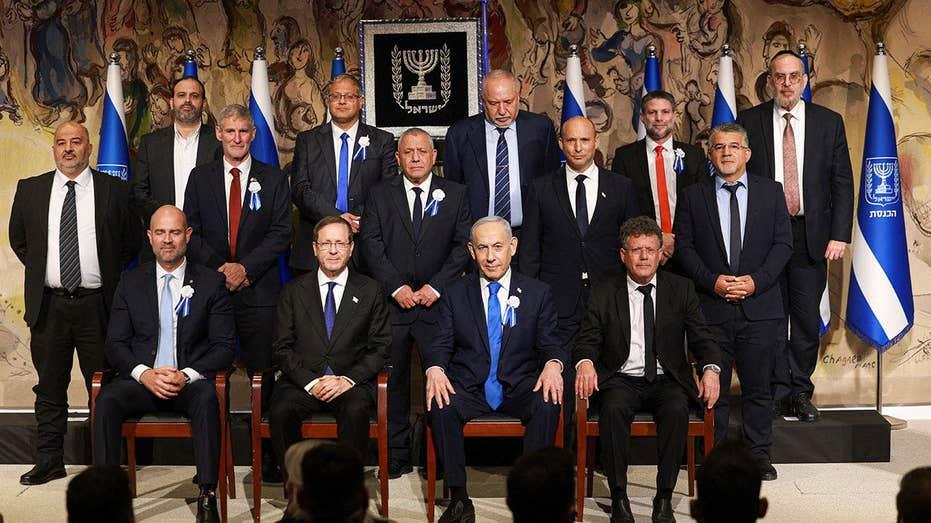
Israel’s political landscape is in a critical phase as former military chief Gadi Eisenkot, backed by the significant influence of ex-Prime Minister Naftali Bennett, navigates a complex coalition-building process with a looming deadline to unseat Benjamin Netanyahu. Despite the opposition securing a parliamentary majority recommending Eisenkot to form a government, the path forward is fraught with challenges, particularly the deep ideological divides over key issues like universal military service, which directly clashes with the demands of ultra-Orthodox parties essential for a stable majority. Bennett’s strategic decision to act as a kingmaker, supporting Eisenkot rather than pursuing the premiership himself, amplifies Eisenkot’s negotiating leverage, creating a bloc of 33 lawmakers that rivals Netanyahu’s Likud party. However, this alliance does not guarantee consensus, and Eisenkot has already signaled a firm stance against Netanyahu, canceling coalition talks after a fiery parliamentary speech that Eisenkot deemed “delusional, divisive, hate-filled and shameful.” The urgency is palpable, with Eisenkot tasked to form a government within 28 days, a period that could extend to Dec. 20, and failure could trigger another election, leaving the nation’s future direction on security, judicial reform, and international relations hanging in the balance.
Adapted from: Latest World News on Fox News