








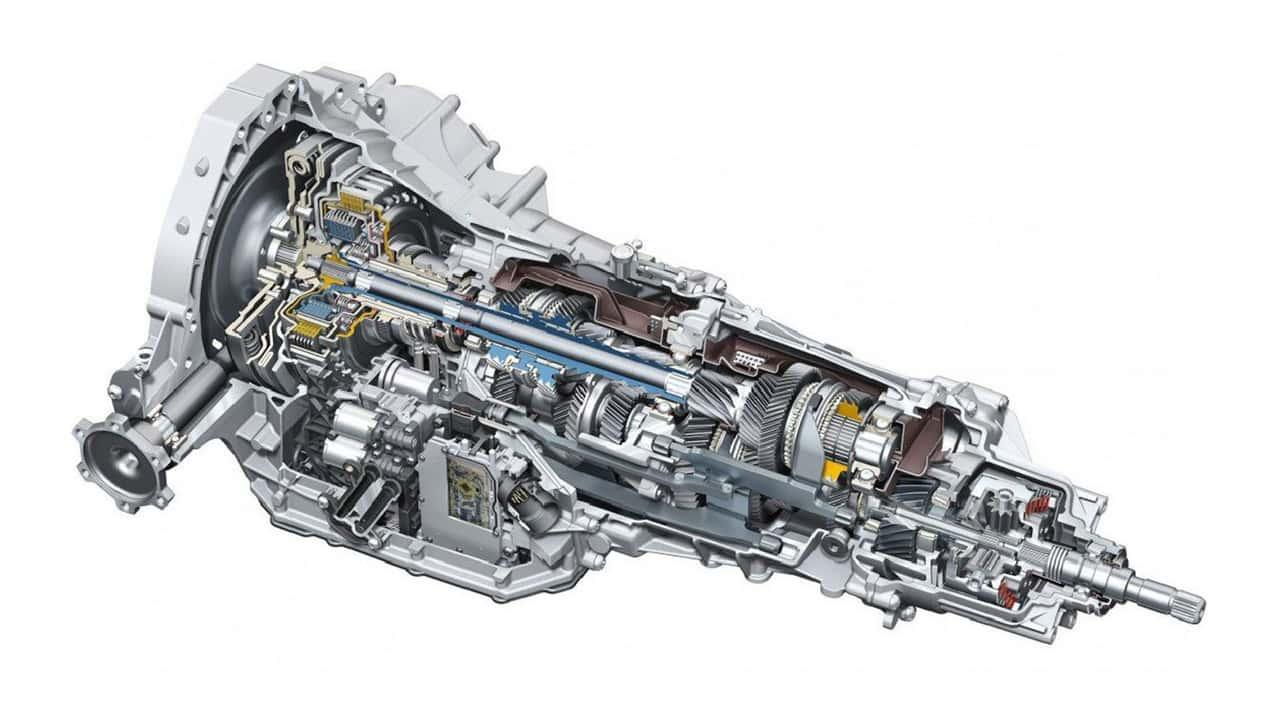
Dual-clutch transmissions (DCTs) revolutionize the driving experience by employing two separate clutches to achieve seamless and incredibly rapid gear changes, a feat impossible with a single clutch. Imagine two clutches working in tandem: one clutch is engaged with the odd-numbered gears (1, 3, 5, etc.), while the other is connected to the even-numbered gears (2, 4, 6, etc.). As the car accelerates and a gear change is imminent, the transmission pre-selects the next gear on the clutch that is *not* currently engaged. When the shift occurs, it’s not a matter of disengaging one clutch and engaging another; instead, it’s a near-instantaneous swap where one clutch disengages precisely as the other engages. This sophisticated choreography eliminates the torque interruption typically experienced during shifts in traditional automatic or manual transmissions, resulting in a smoother ride and significantly faster acceleration. The magic lies in this parallel processing – while one gear is actively powering the vehicle, the next gear is already waiting in the wings, ready to take over in milliseconds. This dual-clutch system is the engineering marvel that allows some of the world’s fastest and most responsive cars to deliver their exhilarating performance.
Adapted from: Motor1.com - Articles