








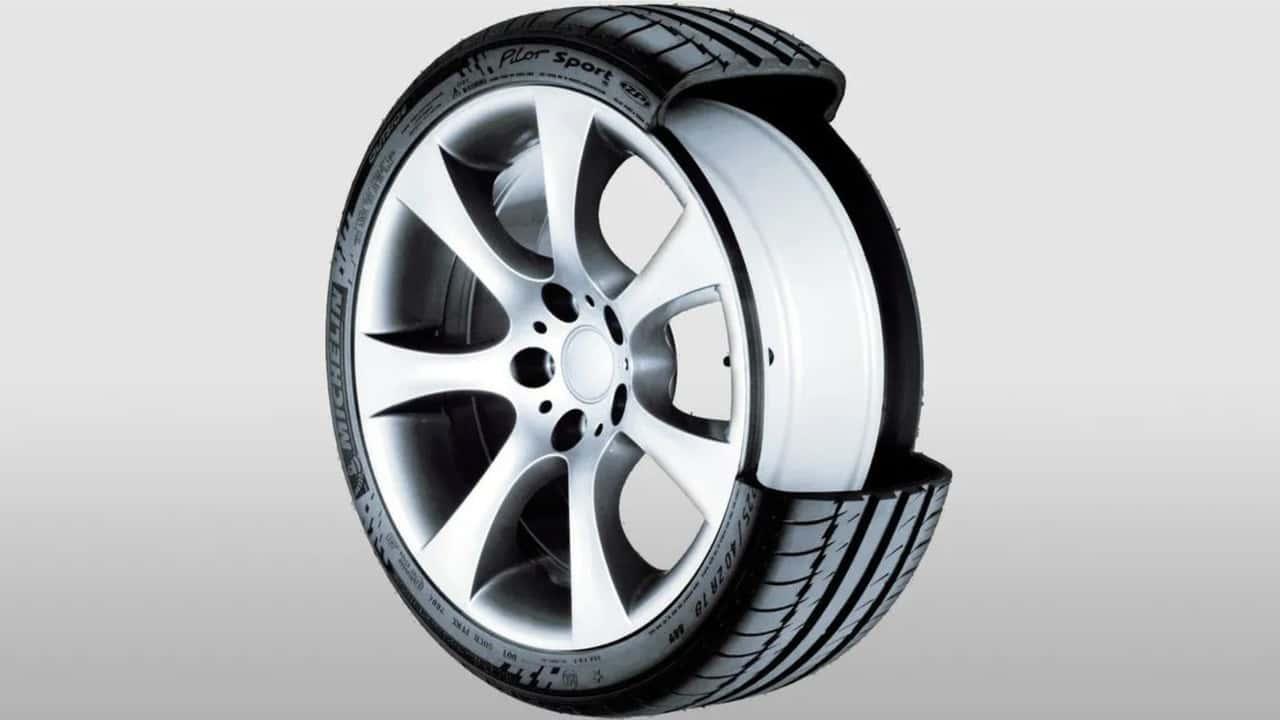
The promise of run-flat tires is alluring: a flat tire doesn’t have to mean being stranded. These innovative tires are engineered with reinforced sidewalls that can support the vehicle’s weight even when they lose all air pressure, allowing you to continue driving for a limited distance, typically around 50 miles at reduced speeds. This capability offers a significant peace of mind, especially for drivers in remote areas or those who frequently travel alone. However, this convenience comes at a price. Run-flat tires are generally more expensive than conventional tires, and their stiffer construction often translates to a harsher, less comfortable ride. Furthermore, the reinforced sidewalls can make them more challenging and costly to repair once damaged, with many repair shops preferring to replace them entirely, negating some of the initial cost savings. The decision to opt for run-flats, therefore, hinges on whether the added safety and uninterrupted travel outweigh the increased upfront cost, compromised ride quality, and potential repair complexities.
Adapted from: Motor1.com - Articles